
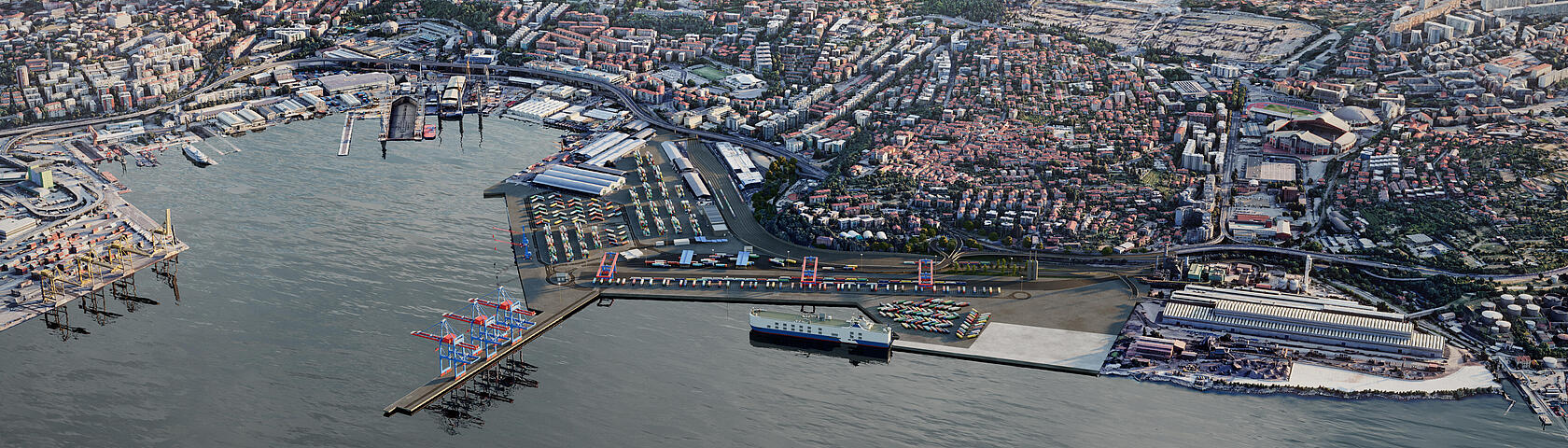
HHLA PLT Italy Terminal Expansion Project
To support the long-term growth of HHLA PLT Italy, a major terminal expansion is underway, built around three key initiatives:
- Redevelopment of an area previously occupied by a steel mill (the former Ferriera di Servola), including the demolition of the steel mill and the installation of a permanent environmental protection.
- Molo VIII: construction of new berths for both containers and Ro-Ro vessels, along with the development of a railway yard and a fully equipped operational yard.
- Full integration with the upgraded rail and road infrastructure, including the project for the new Servola Station.
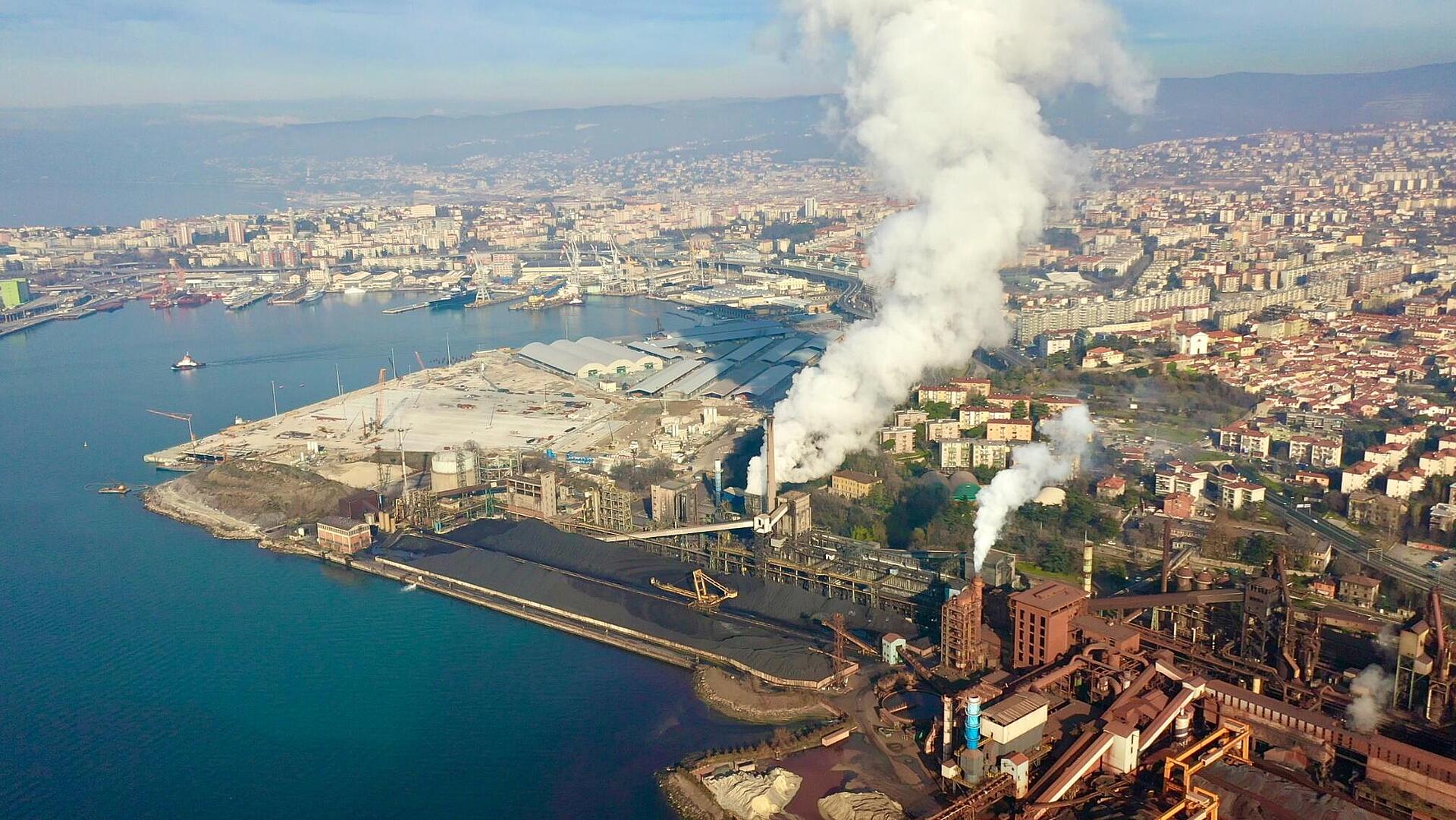
Demolition of the Steel Plant and Permanent Environmental Protection System (MISP)
The expansion area covers approximately 15 hectares, previously occupied by a steelmaking plant. The site has been demolished and, due to contamination accumulated over several decades, a permanent environmental remediation system is being installed.
The system consists of:
• A waterproof HDPE (High-Density Polyethylene) membrane
• A concrete layer
• Vertical containment barriers
These elements isolate the contaminated materials and create a stable foundation for the terminal’s future operations. Air and water quality in the area are already improving. Materials recovered from the demolition are treated and reused on site, compacted beneath the concrete layer to form the structural base of the new terminal areas. This reduces waste and limits the need for additional materials to be transported to the site. A long-term monitoring and maintenance program ensures the continued effectiveness of the protection system.
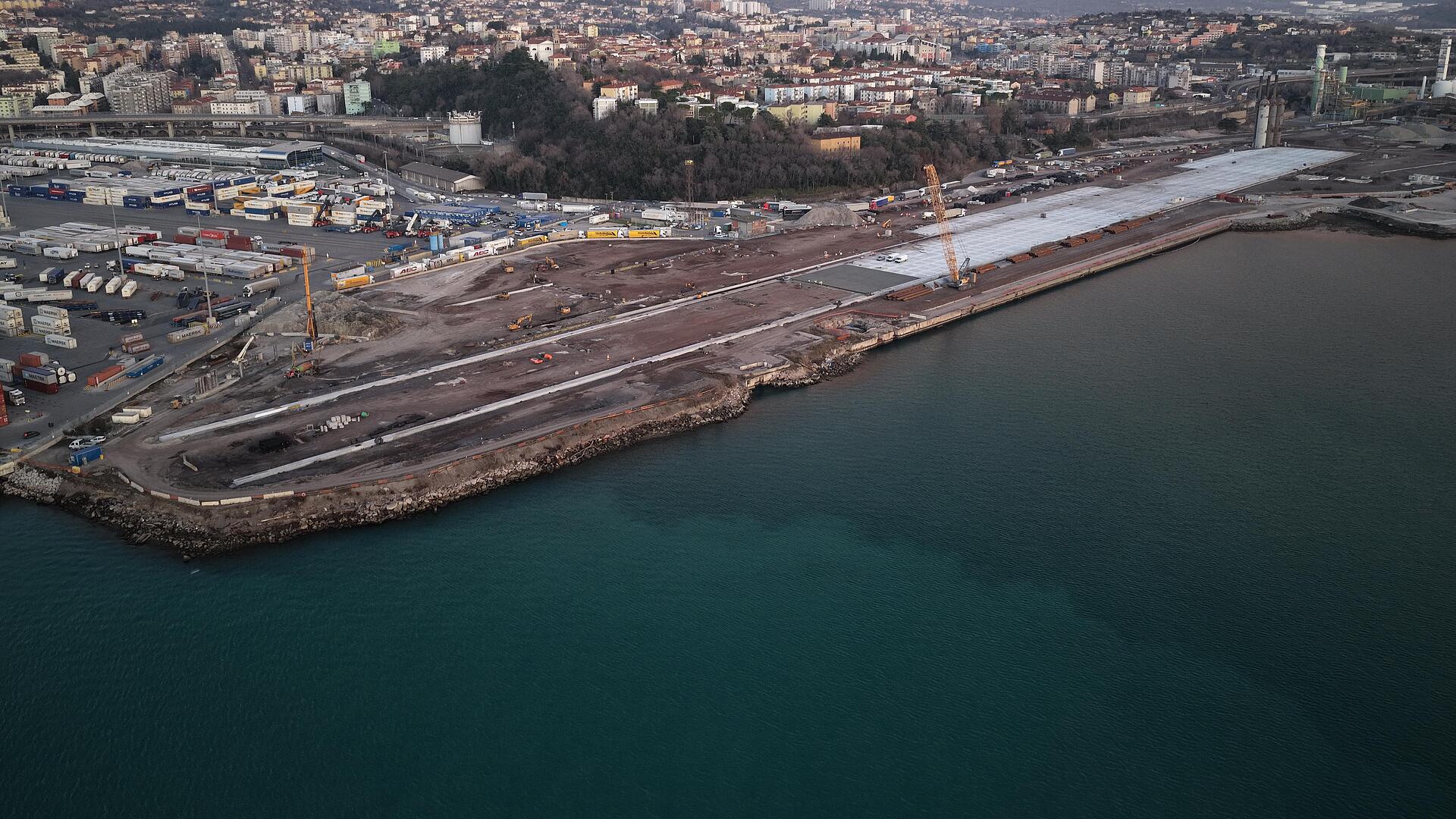
Molo VIII: new quays and berths, a railway yard and an operational area
The development of Molo VIII will strengthen the role of the Port of Trieste and HHLA PLT Italy as an integrated logistics hub linking sea and rail.
The project includes:
• One berth for container and one for Ro-Ro vessels
• A railway yard and handling equipment
• A yard serving the terminal with dedicated equipment
• Low CO₂ emissions, noise reduction and light pollution control are key elements for operational reliability and integration with
the local community
Connections to public rail and road infrastructure
The Port System Authority of the Eastern Adriatic has designed the New Servola Station to provide new rail links and a motorway junction, connecting HHLA PLT Italy’s expansion areas directly to the national networks.
This infrastructure will enable:
• Direct access to international rail lines and the Trieste Motorway Network
• The diversion of freight flows away from the urban area of Trieste
• Improved efficiency and sustainability, by increasing rail freight transport
Timeline
From 1896 to 2020
For more than 125 years, the former Servola steelworks (Ferriera) represented a major industrial presence for the city of Trieste. Significantly downsized starting in 1986 and operating until 2020, the plant contributed to economic and employment development, while at the same time generating substantial environmental impacts on air, water, and soil. Its final closure marked the beginning of a profound transformation of the entire site.
From 2021 to 2024
From August 2021 to July 2024, demolition works were carried out on the industrial facilities, marking the definitive end of the site's previous industrial phase. The activities targeted decommissioned production structures and infrastructure, executed in compliance with safety and environmental regulations. This step was crucial to enable the subsequent remediation and redevelopment of the area.
From 2023 to 2030
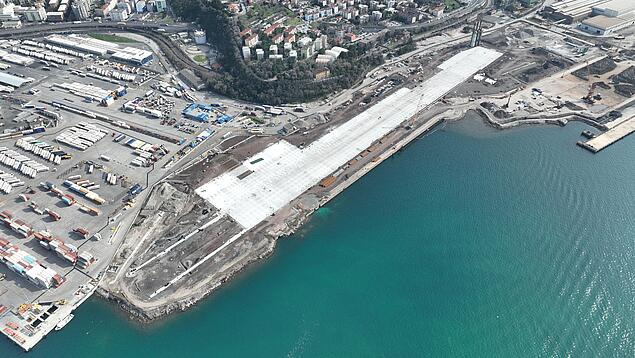
Starting in 2023, with a series of interventions scheduled through 2030, the environmental remediation of the area is underway through a Permanent Safety System (MISP), which involves the containment of pollutants via a capping operation. At the same time, the foundations of the new rail yard and the expansion of seaward infrastructure are being constructed. These works form the structural basis for the terminal’s future operations and the sustainable redevelopment of the site.
2030 – Molo VIII Phase I
Phase 1 of Molo VIII includes the construction of a next-generation container terminal with an initial operational capacity of approximately 450,000 TEU per year and potential expansion up to 1.6 million TEU. The project covers a total area of about 18 hectares and integrates advanced technologies and high-performance logistics infrastructure.
20XX – Completion of Molo VIII
With the completion of Molo VIII, the Port of Trieste will be equipped with a container terminal fully integrated into the European logistics network. The infrastructure will strengthen the port’s strategic role in the Mediterranean, expanding intermodality, sustainability, and technological innovation. The project represents the culmination of a multi-year industrial and environmental redevelopment process aimed at supporting competitive and sustainable growth for the region.